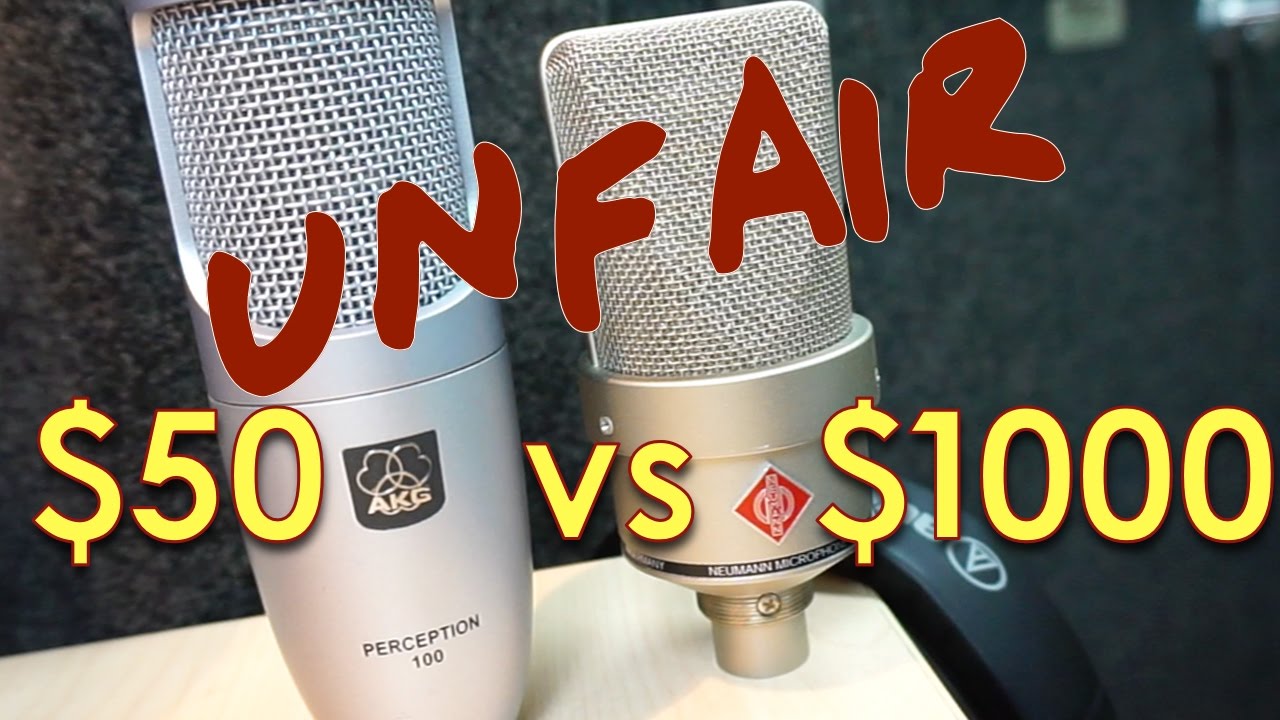
I know there is no a final answer to this, since the bundled interface in an USB microphone can be good enough, to compete with a mic + interface combo, in terms of sound quality; however this question is within the frame of a particular set of devices:
1-1 → Behringer C1 + Behringer UM2
1-2 → Behringer C1 + Behringer UMC22
2-1 → HyperX Duocast
2-2 → HyperX Quadcast 2
I’m mostly looking for opinions formed by practical experience.
Some of the most common problems with low-cost USB microphones:
Fixed pre-amp gain.
If the recording level is too low, the only options are to move the mic closer to the sound source, or make the sound source louder.
Audio interfaces for microphones nearly always have a gain control, allowing the signal from the mic to be boosted to an optimum level, which helps to reduce microphone noise.
Positioning.
USB mics must be close enough to the computer for the USB lead. USB leads should normally be no more than about 3m.
With an audio interface, the USB lead should still be fairly short, but good quality mic cables can be up to 10m or more.
Flexibility and upgrade path.
The only way to upgrade a USB mic is to replace it.
With a separate mic/interface, you can upgrade the mic or the interface separately. This is particularly useful if you want to use different kinds of mic, such as switching between a directional mic and “omni-directional” (all round sound).
Many audio interfaces have 2 inputs, allowing 2 mics to be used simultaneously - very useful if you need to record more than one sound source or want a stereo recording.
Power supply noise.
USB power can carry a lot of electrical interference, which can sound like a high pitched whistle in the recording.
Many (but not all) audio interfaces can be powered by a separate power supply, avoiding noisy USB.
The advantages of USB mics are:
They tend to be a little cheaper than separates
Slightly more convenient to only have one thing to plug in.
If you go down the separate interface route, I’d recommend the Behringer UMC202HD. It costs a little more than the two you mentioned, but it has 2 inputs and is a step up in terms of sound quality. Worth saving up for.
You don’t mention what operating system you are using, but if it is Windows, you absolutely cannot use two USB microphones of the same model (using the same driver). Many people buy microphones in a pair to get a deal, and they just won’t work together on Windows.
Even if you have two USB microphones of different brands, you can’t assign channels to them. So if you want one microphone in the left channel, and the other microphone in the right channel, you must use a real-time audio device simulator like VoiceMeeter.
What’s your room like and what’s your typical job? It rings bells when somebody posts and goes straight into microphone characteristics.
The polished wooden floor is lovely and all, but there is zero chance of getting a good sound recording in that room.
The original owners of my house had a kid that played drums. They soundproofed the tiny third bedroom for him. It’s carpeted and has tiles on the walls and ceiling.
I win. I join a Zoom book club from in there using my laptop speakers and microphone. Nothing extra. No headphones. Perfectly clear voice.
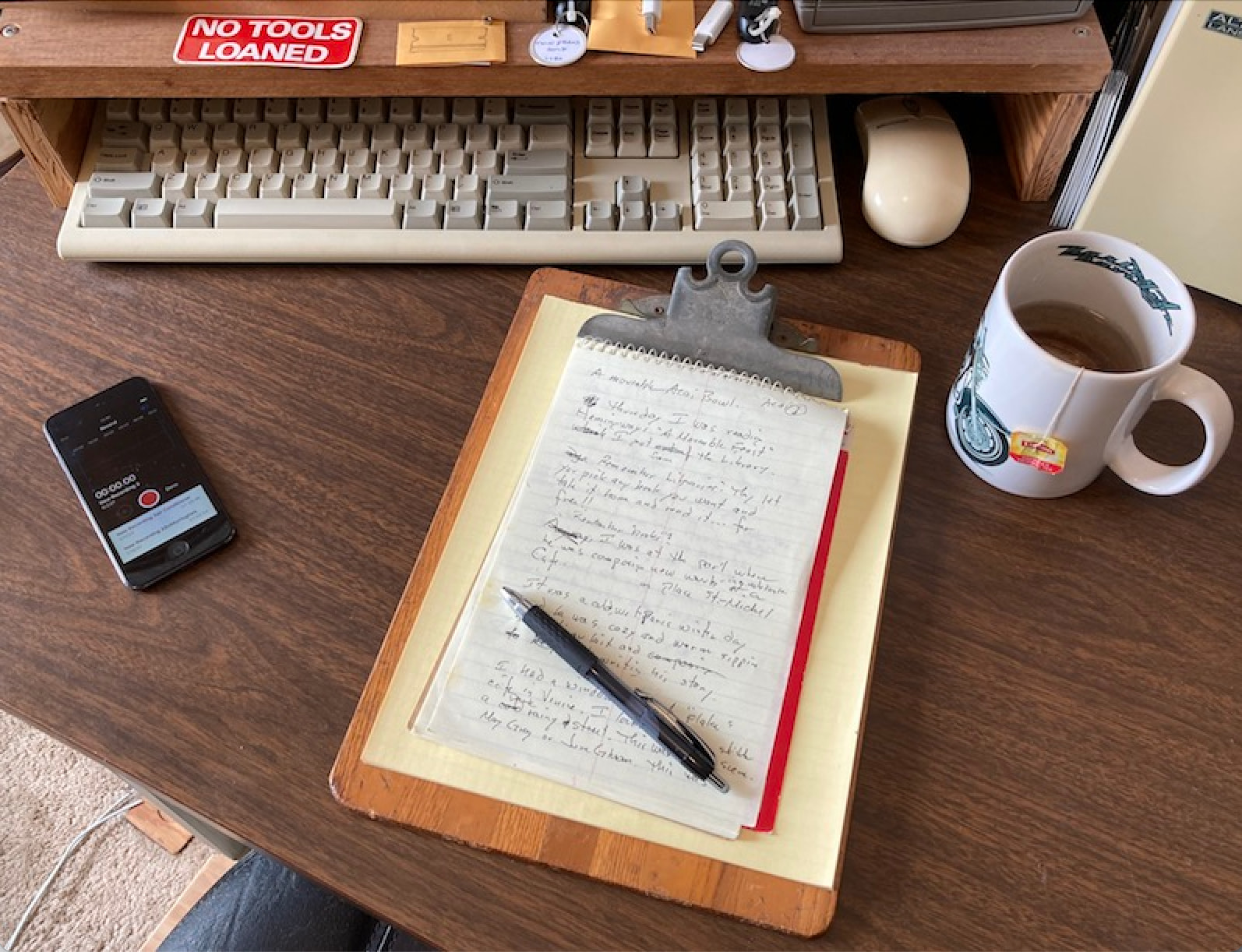
I produced a short voice test that with simple effects and very restrained noise reduction passes the ACX audiobook submission standards and sounds exactly like me. I recorded it on my phone.