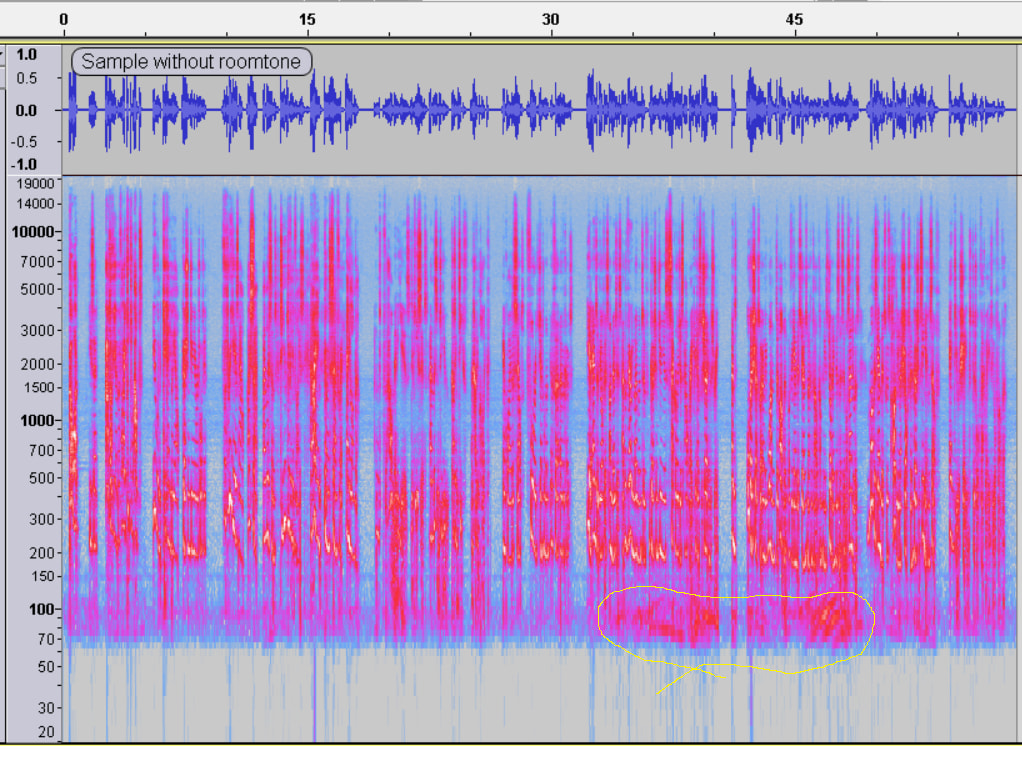
I’d like your thoughts on replacing/reducing breaths with room tone in a fictional audiobook. I’ve searched the forum and read all the prior posts, I believe. I want to meet ACX standards.
Here is my process:
(First, each recorded chapter is exported to a 32-bit float WAV backup.)
Analyze, ACX Check
Effect, Filter Curve EQ, Low rolloff for speech
Effect, Loudness Normalization, Normalize RMS to -20.0 dB
Effect, Limiter, Soft Limit, 0.00, 0.00, -3.50, 10.00, No
Suppress breaths: Select a breath, Effect, Noise Gate
I tried two de-esser plugins (DeEsser.ny & de-esser.ny) with no luck. This worked better:
Add room tone back in: Record room tone to 2nd track, fill out to full length, mix down on export to 32-bit float WAV
Disadvantage: adds room tone back over the non-gated portions, which already contain some room tone.
Advantage: automatically processes the entire chapter file.
Maybe the room tone should be targeted with a reverse gate?
A. What are your thoughts on using a gate plus mixed down room tone to avoid manual Punch Copy/Paste of breaths?
B. I suspect it would sound more natural to set the noise gate so the breaths can still be heard (or use an expander/negative compressor), but then I’ll manually remove some of my obnoxious mid-sentence breaths.
C. Is there a better ordering of my items 2 thru 7 above?
De-esser plugins only act on excessive sibilance, and leave the rest of the audio untouched, whereas a low pass filter will act on all the audio making it sound muffled.
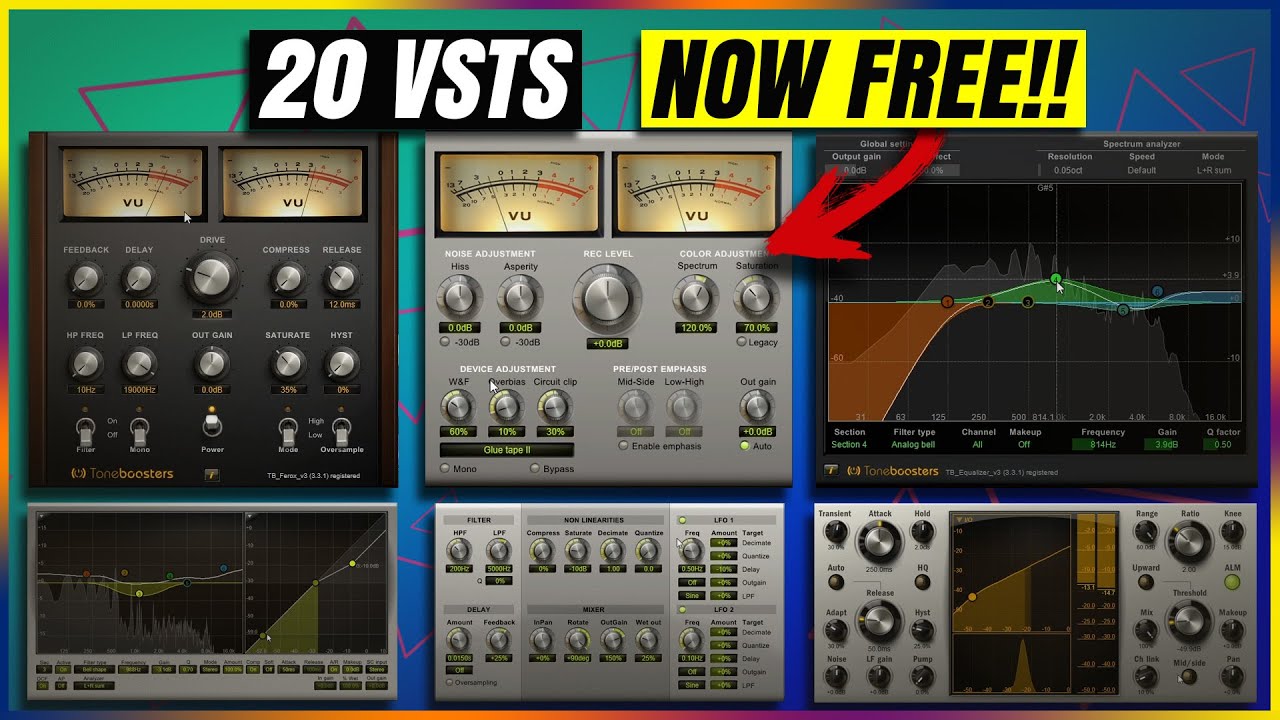
There are free realtime de-esser plugins, which unlike “.ny” plugins, can be adjusted while you play the audio, e.g. ToneBooster’s legacy plugin pack has two: a simple one & a complex one …
Update: I was getting the sibilance using the boom mic on my EPOS Sennheiser GSP 300 headset. I have changed to a Samson Q2U mic and I hope that issue is gone. I have questions on my process, so I will be uploading a WAV sample in a new post. Thank you again for your input.
You would think that headsets, headphones and a boom microphone in one, would be perfect, but I have never found that to be true. They always give a voice quality harsh, strident, and not pleasant to listen to. These things were designed so air traffic controllers can yell at the jet coming in too fast, not an actor trying to produce a theatrically perfect chapter.
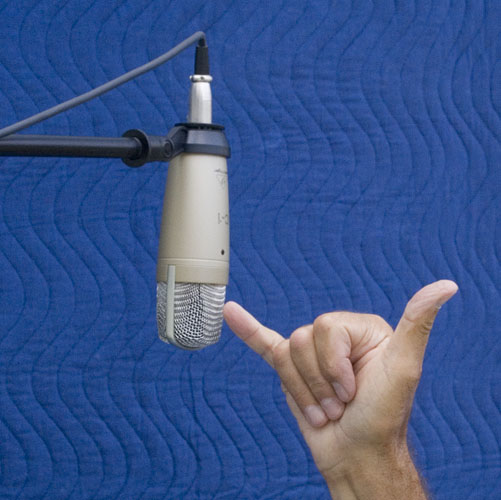
Also see: the microphone is too close and likely to pick up lip smacks, breath noises, and tongue distortion.
This is why the recommended microphone spacing is a Hawaiian Shaka.
Also having it a little off to the left or right (B) can help with mouth noises.
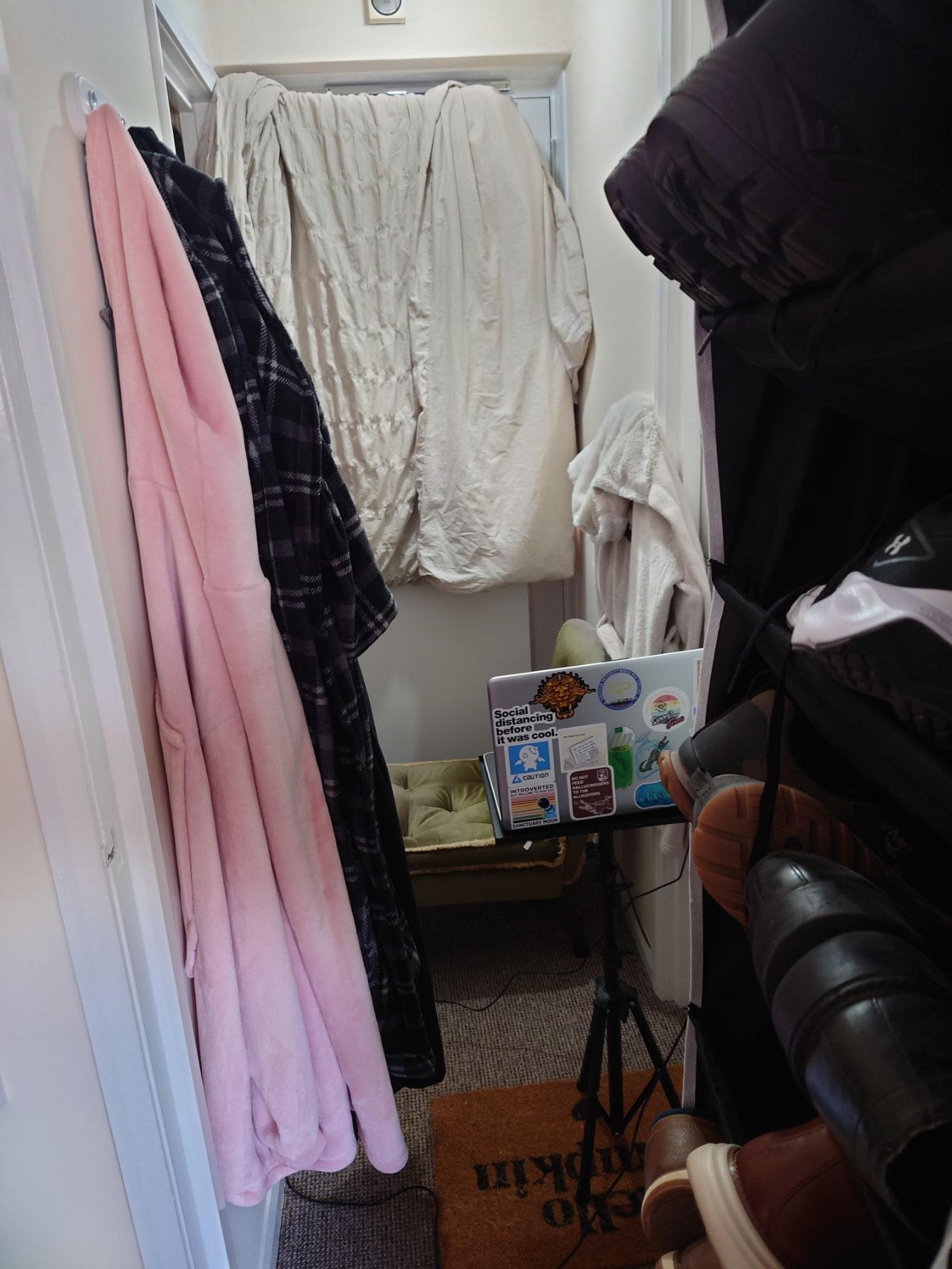
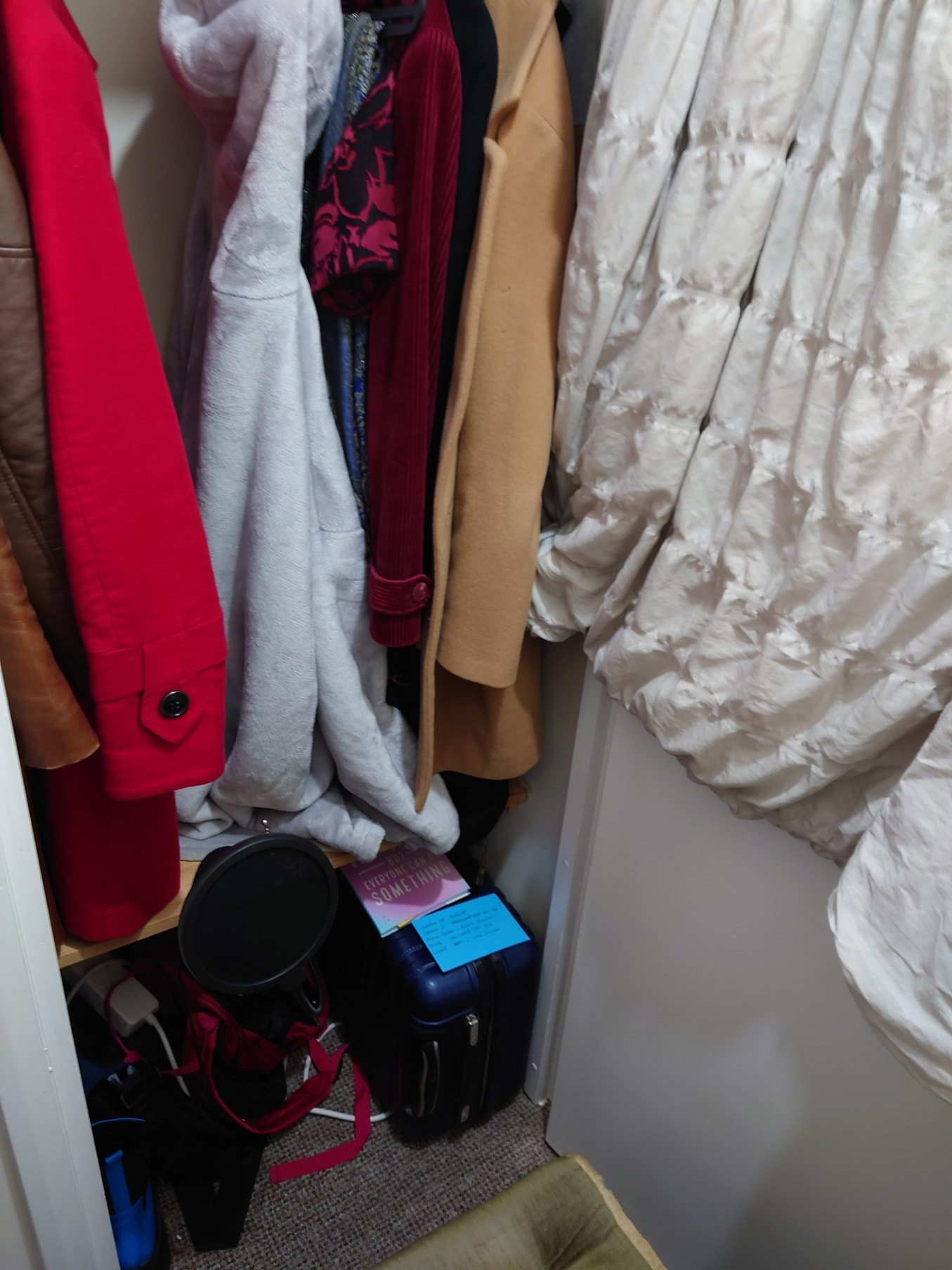
My setup is far from perfect, I record in my hallway/wardrobe and sometimes my neighbour likes to exercise in the stairwell, so honestly this could be a gamechanger, but what do the experts think?
I guess the thing im struggling to understand is why the mic with the voice clarity and roomtone is not prefered? I’m not sure if it is just my untrained ears but I would say it sounds much better than the normal recording. Yet when I talk about it people seem iffy even though when I blind test them on the sound they pick the voice clarity 1 100% of the time.
Even compared to the audio through the scarlett when i blind test people they still prefer the voice clarity version with roomtone
Apparently Tonor “vocal clarity” is an EQ which cuts bass and boosts treble. The bass cut will reduce the intermittent road traffic rumble, but treble boost will increase sibilance, requiring subsequent de-essing.