Always less time consuming to deal with problems at the source. During covid lockdowns we sent all our actors microphones and helped them get studios set up at their homes as best as possible. Dealt with everything from stray marsupials to military drills. We put together a simple guide for our actors (I’m happy to send if you DM me bc it’s behind a team-only section on our site) with recommendations and drawings and continued to update it. And with time it got to the point that we really only needed about an hour to diagnoses and fix any problems remotely, and then they were good for the season. Compare that to the time it takes to clean audio in post - how long is a piece of string?
There’s really three issues to deal with:
- sounds from outside (soundproofing)
- sounds from inside (acoustic treatment)
- sounds made by the actor
Soundproofing is going to be a losing battle. Generally I keep the A/C on high outside the booth (or “booth”) and when it becomes suffocating, open the door for a quick air exchange. Turning off HVAC, fans, kick out housemates and dogs, and isolating the computer as best as possible - long cables, or another room using screen sharing on a tablet or something - that’s the extent to which I’d go. A high-pass filter for rumble. Monitor if your cell phone receiving alerts creates some disturbance in your headphones.
Gain staging is something to get a handle on at this point. Especially going into a computer there’s a lot of opportunities for messing with the gain, and if you’re not careful you’ll be boosting the sound of your devices, not the sound of your signal (voice). Get your voice as hot as possible without peaking at the first stage, and then adjust each stage afterward similarly. (As opposed to the opposite, which I’ve seen occur frequently…getting your voice anywhere and boosting the gain at each stage after to get the signal healthy).
Acoustic treatment is most important in my book. Everything above is fairly easy to clean in post. Room reflections are not. A dog bark, HVAC, bird tweet, highway - those don’t sound or look like your voice. Your voice reflecting off the wall looks and sounds exactly like your voice. This is where I’d put my energy and money. Pro tip: when they demolish or renovate courthouses, they throw out TONS of Owens Corning 703 panels. In my city I’ve taken advantage of this twice - you can basically get all the acoustic treatment you need for free. The thicker you layer it, the wider the range of frequencies they’ll handle. As I mentioned, I don’t worry about the lows because they’re fairly easy to remove either with a high-pass on the mic or pre, or in post. I personally just throw 1-inch OC703 everywhere. It produces a really tight, even response. Compare this to covering a room with foam from the guitar store - which will suck the life out of everything, and leave the voice sounding bizarre as other frequencies end up boosted. OC703 lets you have a pretty dynamic performance with very little adjustment other than distance to the mic.
Recordings I’ve made like this with zero post cleanup have been rejected for being too clean, for the noise floor being too low.
If OC703 isn’t an option - as it wasn’t for most of our actors, we pretty much just had people set up in coat closets, or pin blankets inside a laundry basket. Most actors I’ve worked with began with the assumption that the best place to record is a bathroom. Anything is possible - we need a pickup that was going to be broadcast within like 24h, and the actor did it from a giant fire stairwell as they stepped out of a Christmas party…recorded on their iPhone. We cleaned that recording up and got it to sit next to their lines on a U87, and nobody ever knew. I would have preferred him to record it in the coatroom.
Sounds made by the actor - number one in my book is mouth noises. The solution here isn’t hydration, it’s moisture. I’ll hand actors a glass of water and they’ll chug it, which does nothing for us but mean we’re cleaning up stomach noises in post! The key is very frequent sips of water to keep the mouth moist. This solves 95% of mouth noises for us.
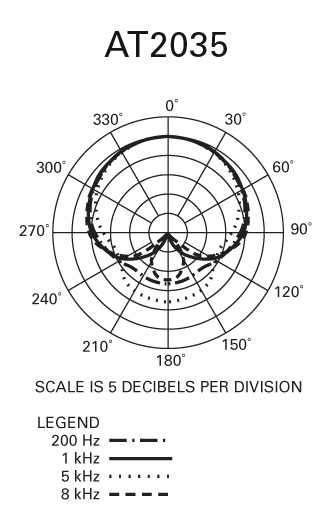
Keep the mic pointed at the source properly - AKA the mouth. Keep the capsule out of direct line to airflow, and you pretty much won’t have any issue with plosives. In the very rare times we deal with plosives, it’s easiest just to put a “shh” finger up to split the airflow. If the actor has to get close to the mic, ensure it’s on omni to avoid proximity effect, unless that’s desired. If a loud line peaks, re-record it immediately with the gain down - use a preamp with a stepped gain knob so you can decrease/increase the gain rapidly and precisely. Ours are in 5dB increments, and usually for a scream I’d go like -15dB.
Bonus: wear socks. I prefer actors to sit rather than stand because they stomp a lot. We put down those squishy kitchen mats for them if they need to stand.
Hope this helps!